As the election approaches, it’s important to inform yourself on both the candidates and the proposals on the ballot. In this age of the internet, misinformation is rampant, and it’s important to find trustworthy and accurate information to inform your vote.
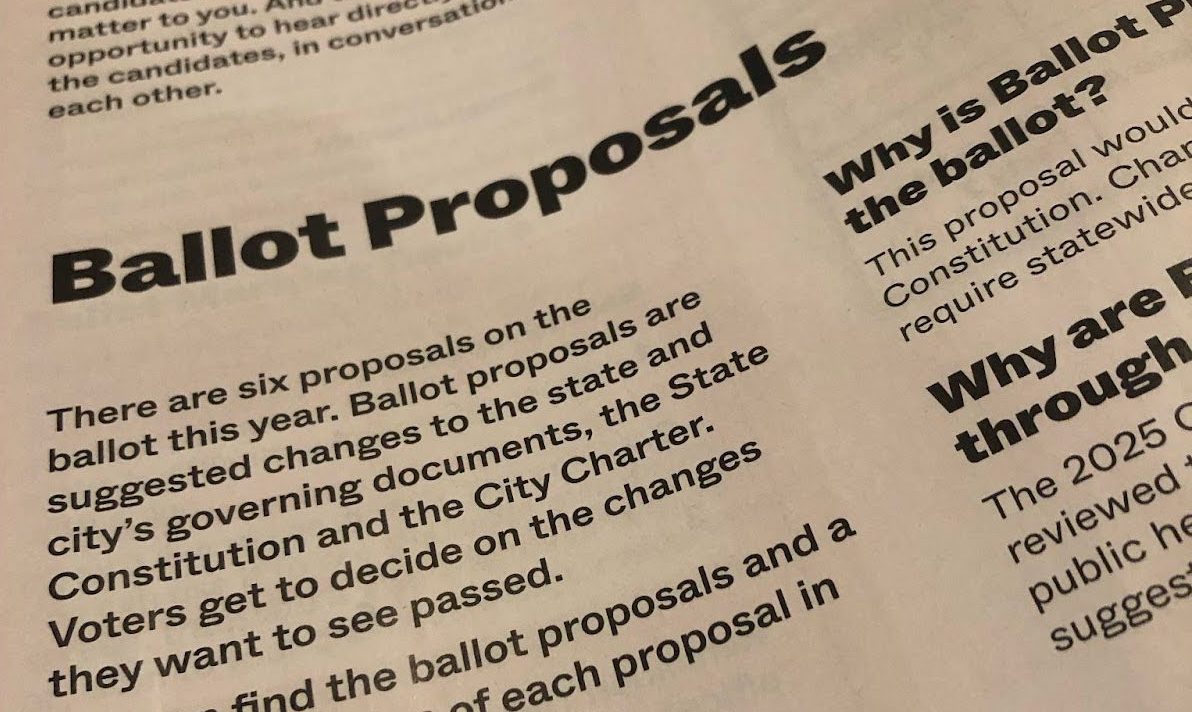
Proposals, also known as ballot initiatives or referendums, are questions posed on the back of a ballot. If the majority of voters votes yes on a proposal, it will be implemented. If they vote no, it will not. It’s direct democracy in action, trusting New York voters to choose which proposals they want to be enacted. But first those New Yorkers have to be informed on each proposal.
A Brief Overview
The first proposal would allow the expansion of ski trails in the Olympic Sports Complex in Essex, New York. The land made available for the ski trails would be taken from currently protected forest areas, and if it passes, the proposal would require New York State to add 2,500 acres of protected forest land to Adirondack Park.
The second proposal would create two new processes to fast-track affordable housing projects: the first process for affordable housing projects funded by the public, and the second for affordable housing in the 12 districts with the least affordable housing development.
The third proposal would create a faster review process for some land use projects. These projects would include changes to how land is used and how to prepare the city for extreme weather, among other things. For most projects, the proposed process would remove the final review by the City Council.
The fourth proposal would change the current review process for when the City Council changes or rejects an affordable housing project. It would create an Affordable Housing Appeals Board that would allow City Council decisions to be reversed by a two-to-one vote.
The fifth proposal would make the Department of City Planning in charge of creating, maintaining, and digitizing one City Map.
Lastly, the sixth proposal would change the dates of local elections to coincide with presidential elections. While local elections are currently held on odd-numbered years and presidential elections are held on even-numbered years, this proposal would match them up.
For Your Consideration
If you are trying to find out more information on what each of these proposals entails, you may find it difficult to get an objective overview on any one of them.
The New York City Charter Revision Commission put out ads on YouTube, which are also available on their website, calling for New Yorkers to “vote on an Affordable Housing Fast Track and other City Charter reforms” by voting yes “on questions 2 through 6”. The Commission, established by Eric Adams with 17 commissioners representing every New York City elected official, reviews the city’s Charter and can put proposals for its amendment before the voters during an election. According to the Commission’s website, they held “12 meetings across the five boroughs” and decided to put five proposals on the ballot: 2 through 6.
The ad that the Commission put out does not say that proposal 6 has to do with housing reform, but by grouping it in with “other City Charter reforms” it makes it seem less important. Some might not even know what the proposal calls for before voting on it.
Proposal 6 does not have to do with affordable housing. It is instead calling for the dates of local elections to be changed. Rather than having separate elections for local elected officials and for the president, both elections would be held the same year. Proponents of this proposal, according to NYC Votes, say that it “would significantly increase voter turnout and increase representation among those who vote.” Those who oppose it believe that local issues deserve the focused attention of an election year distinct from presidential elections. Council Member Robert Holden says that the issue of low voter turnout is not caused by the calendar, but by a lack of “confidence in local government”.
Proposal 5, discussing a City Map, can arguably be connected to affordable housing, but it isn’t directly related.
There are many sources besides the Commission that call for a vote yes on proposals 2 through 5 when it comes to affordable housing. The Regional Plan Association as well as the Citizens Budget Commission both call for a vote yes on those proposals without mentioning the 6th proposal. There are also sources that call for New York residents to vote no on those proposals, including the NY Civil Liberties Union (NYCLU) and even some Council Members.
The Commission is appointed by elected officials throughout the city. When getting information from them, it’s necessary to think about their bias. They were the ones that suggested proposals 2 through 6, and while they might not have any obvious benefit for the creators, the fact they suggested them is reason enough to be skeptical. These ads are not an unbiased or informational source, and any New Yorker should look further into all of the proposals before voting on them.
The Upshot
With many conflicting opinions out there, New Yorkers should make sure that they get reliable information and make their own decisions. What might appear at first glance to be an objective summary could be an editorialized explanation of the proposition.